Navigating the SASSA Disability Grant application process can feel overwhelming, but understanding the specific documentation and medical requirements is the key to a successful outcome. Designed to provide financial relief to South African citizens unable to work due to physical or mental limitations, this grant serves as a vital social safety net. In 2026, staying updated on the latest means test thresholds, medical assessment protocols, and approval timelines is essential for ensuring your application is processed without delay.
Primary Eligibility Requirements
To be considered for the grant in 2026, you must meet these non-negotiable criteria:
-
Age: 18 to 59 years old.
-
Citizenship: South African citizen, permanent resident, or refugee (Section 24) currently living in South Africa.
-
Disability Status: You must have a physical or mental disability that makes you unfit to work for longer than six months.
-
Institutional Status: You cannot be cared for in a state-funded institution (e.g., a prison or state psychiatric hospital).
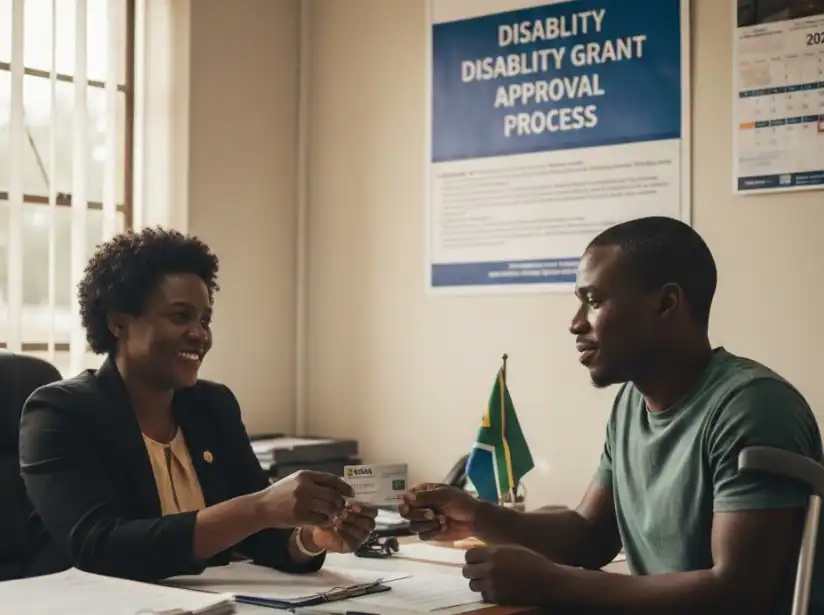
Comprehensive Documentation Checklist
SASSA requires specific paperwork to verify your identity, financial status, and medical condition. Ensure all copies are certified (usually not older than 6 months).
Identity & Residency
-
13-Digit Barcoded ID: Original and a copy.
-
Alternative ID: If you don’t have an ID, you must provide a SASSA-standard affidavit and a sworn statement from a “reputable person” (counselor, traditional leader, or social worker) verifying your identity.
-
Proof of Residence: A utility bill or a letter from a local authority.
Medical Documentation
-
Medical Assessment Report: A functional assessment completed by a state-appointed doctor. This report is only valid for 3 months from the date of the exam.
-
Referral Form: A medical referral from your treating facility/doctor.
-
Medical History: Any previous clinic cards, hospital records, or specialist reports that support your claim.
Financial & Employment Records (The Means Test)
-
Bank Statements: Original statements for the last 3 consecutive months.
-
Proof of Income: Pay slips (if applicable) or proof of any private pension.
-
UIF Documentation: Your “Blue Book” or a discharge certificate from your last employer.
-
Assets: Proof of assets, including the municipal value of any property you own.
Marital Status (If Applicable)
-
Marriage certificate, divorce decree, or a spouse’s death certificate.
-
If your spouse died within the last 5 years, a copy of the will and the final liquidation/distribution accounts.
Means Test Thresholds For Disability
Your financial “means” (income and assets) must fall below these maximum limits to qualify:
| Status | Annual Income Limit | Asset Limit |
| Single | R101,640 | R1,438,800 |
| Married (Combined) | R203,280 | R2,877,600 |
The Approval & Verification Journey
Step 1: Biometric Verification
In 2026, SASSA has placed heavy emphasis on biometric identity verification. Whether applying in person or via the online portal, you will need to verify your identity through fingerprints or facial recognition, which is cross-referenced with Department of Home Affairs data.
Step 2: The Medical Assessment
You must be examined by a SASSA-appointed doctor. They determine if your disability is:
-
Temporary: Lasting between 6 and 12 months.
-
Permanent: Lasting more than one year. Note: “Permanent” does not always mean for life; it may still be reviewed every few years.
Step 3: Database Cross-Checking
Once submitted, SASSA conducts a “digital audit.” Your ID is run against databases from SARS, UIF, NSFAS, and Home Affairs to ensure you aren’t receiving conflicting income or are already registered for other state benefits.
Step 4: Outcome Notification
-
Timeline: Processing typically takes up to 3 months.
-
Approval: If successful, you will receive payments backdated to the day you first submitted your application.
-
Rejection: If declined, you will receive a formal letter. You have 90 days from that date to lodge an appeal with the Ministry of Social Development.
Grant Amount
The current maximum monthly amount for the Disability Grant is R2,320.
If your disability is so severe that you require full-time attendance by another person, you may also apply for the Grant-in-Aid (currently R560/month) to be paid alongside your main grant.
Frequently Asked Questions
1. How long does approval take?
It typically takes up to 3 months to process your application. If approved, you will be paid from the date you first applied.
2. What is the current grant amount?
As of early 2026, the maximum SASSA Disability Grant amount is R2,320 per month.
3. How long is the medical report valid?
The medical assessment report completed by the state-appointed doctor is only valid for 3 months from the date of the examination.
4. Can I work while receiving the grant?
Yes, provided your total income does not exceed the means test limits (R86,280 per year for single applicants or R172,560 combined for married couples).
5. What is a “Temporary” vs. “Permanent” grant?
A Temporary Grant lasts 6 to 12 months for short-term conditions. A Permanent Grant lasts longer than a year, though it is still subject to periodic reviews.
6. What if my application is rejected?
You will receive a letter stating the reason. You have 90 days from the date of rejection to lodge a written appeal with the Minister of Social Development.
Securing a SASSA Disability Grant in 2026 requires a proactive approach, from maintaining valid medical reports to staying under the financial “means test” thresholds. While the maximum monthly payout of R2,320 offers essential relief, the three-month processing window means early and accurate submission is vital. By keeping your documentation organized and utilizing digital tools like the SASSA WhatsApp line or USSD codes for status updates, you can navigate the system with minimal stress.